Quick Guide
- Master tactical positioning to leverage tiny battlefields.
- Prioritize ship and crew upgrades for long-term runs.
- Adapt strategies for challenging Phase 3 enemies.
- Engage with the community for ongoing game development insights.
Welcome, aspiring sky pirates, to the perilous, yet captivating, world of Dead Weight! This roguelite tactical RPG, available on Steam, challenges you to command a flying pirate ship through a steampunk realm of floating islands. Our comprehensive Dead Weight Steam guide is here to equip you with the knowledge needed to face ancient gods, manage your resources, and lead your crew to victory.
Whether you're struggling with fuel shortages, baffling enemy mechanics, or the game's unique turn-based combat, this guide offers insights based on official information and community experiences to help you chart a successful course.
Navigating the Steampunk Skies: Understanding Dead Weight's Core
Dead Weight plunges players into a single-player steampunk adventure, blending roguelite progression with strategic turn-based combat. As the captain of a flying pirate ship, your primary goal is to explore a world of floating islands, gather loot, and upgrade your vessel and crew to eventually challenge formidable ancient gods.
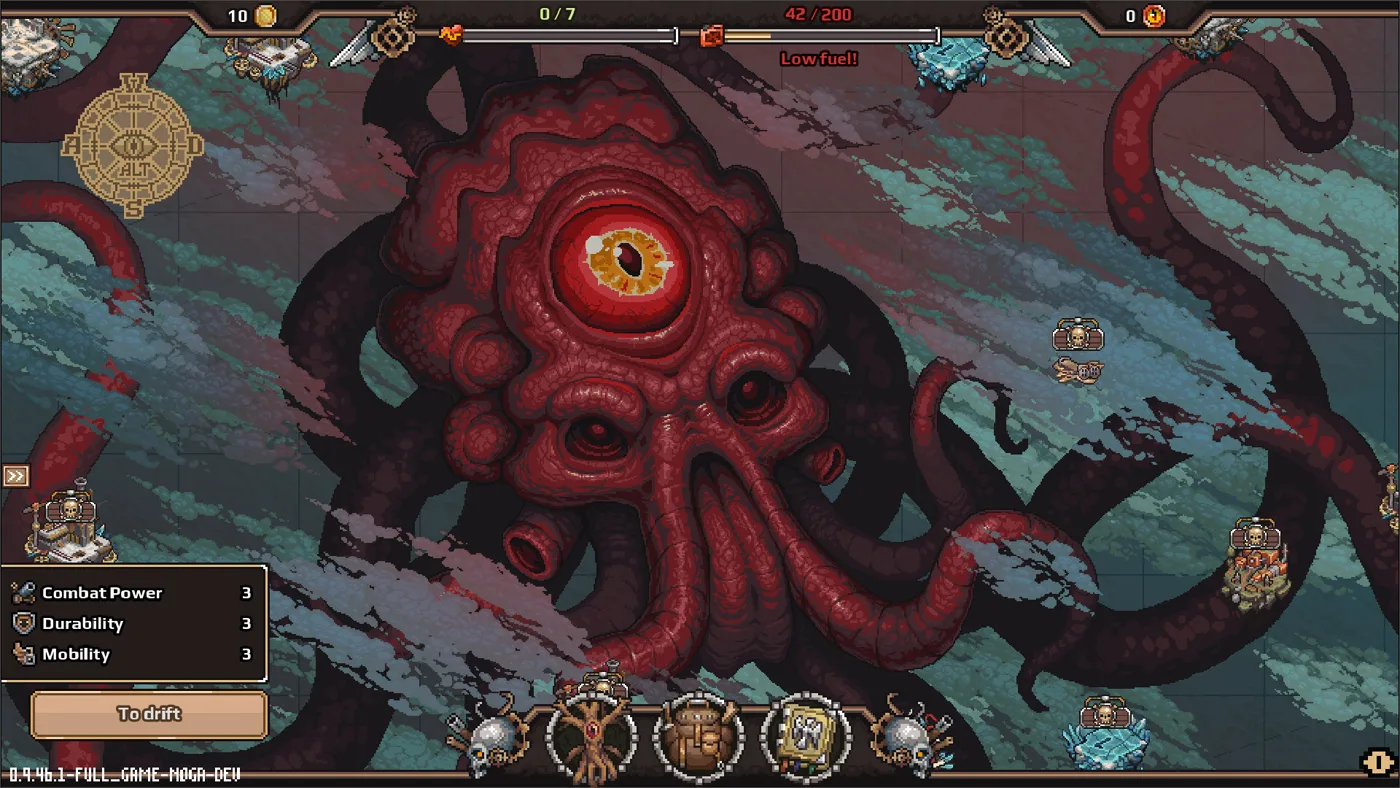
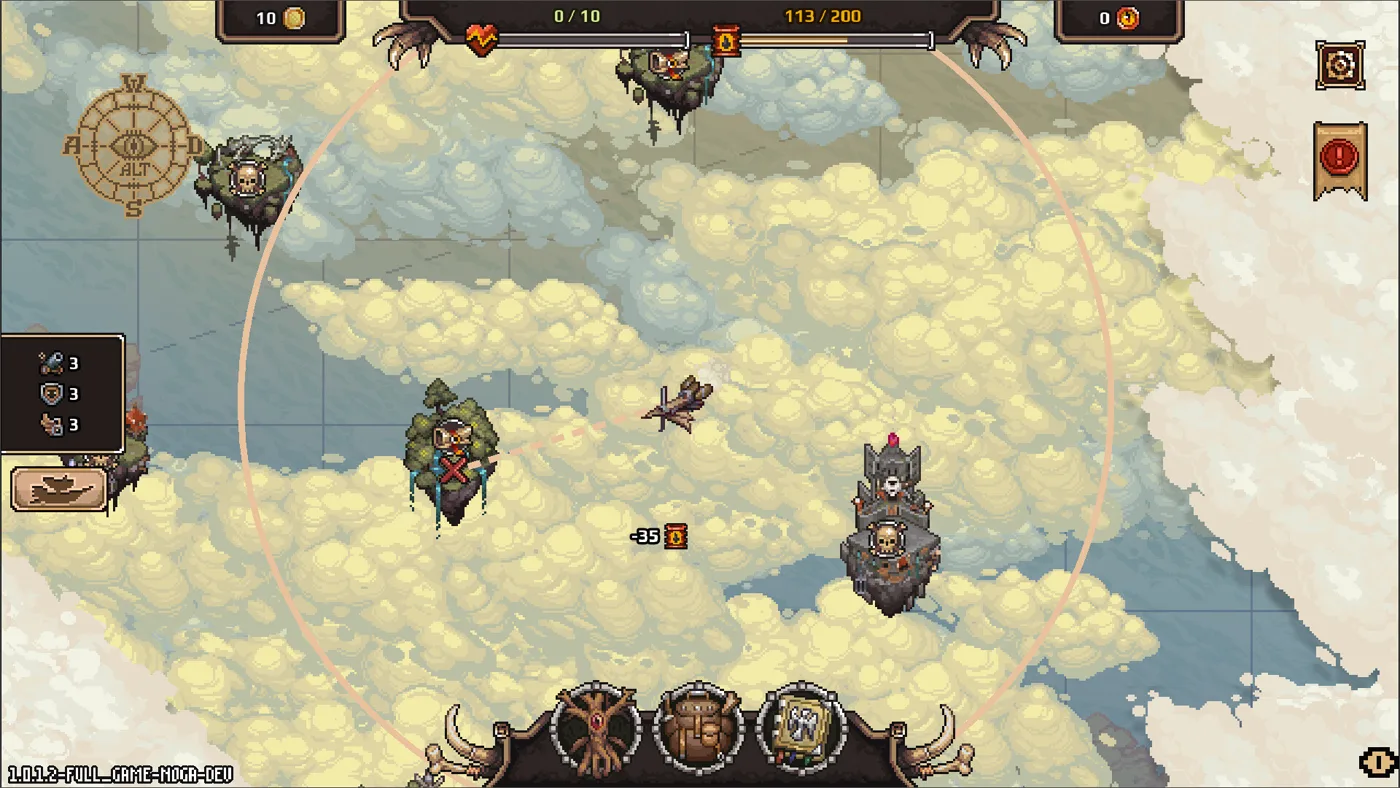
The game features a unique blend of exploration and combat. You'll need to manage crucial resources like fuel to keep your ship airborne, as running out can lead to dire consequences. Each run presents new challenges, reinforcing the roguelite aspect where every decision, from choosing your class to upgrading skills, shapes your journey. The overarching narrative involves cleansing the world of evil, leading you through various enemy factions and increasing difficulties.
Mastering Tactical Combat: Wits and Brute Force
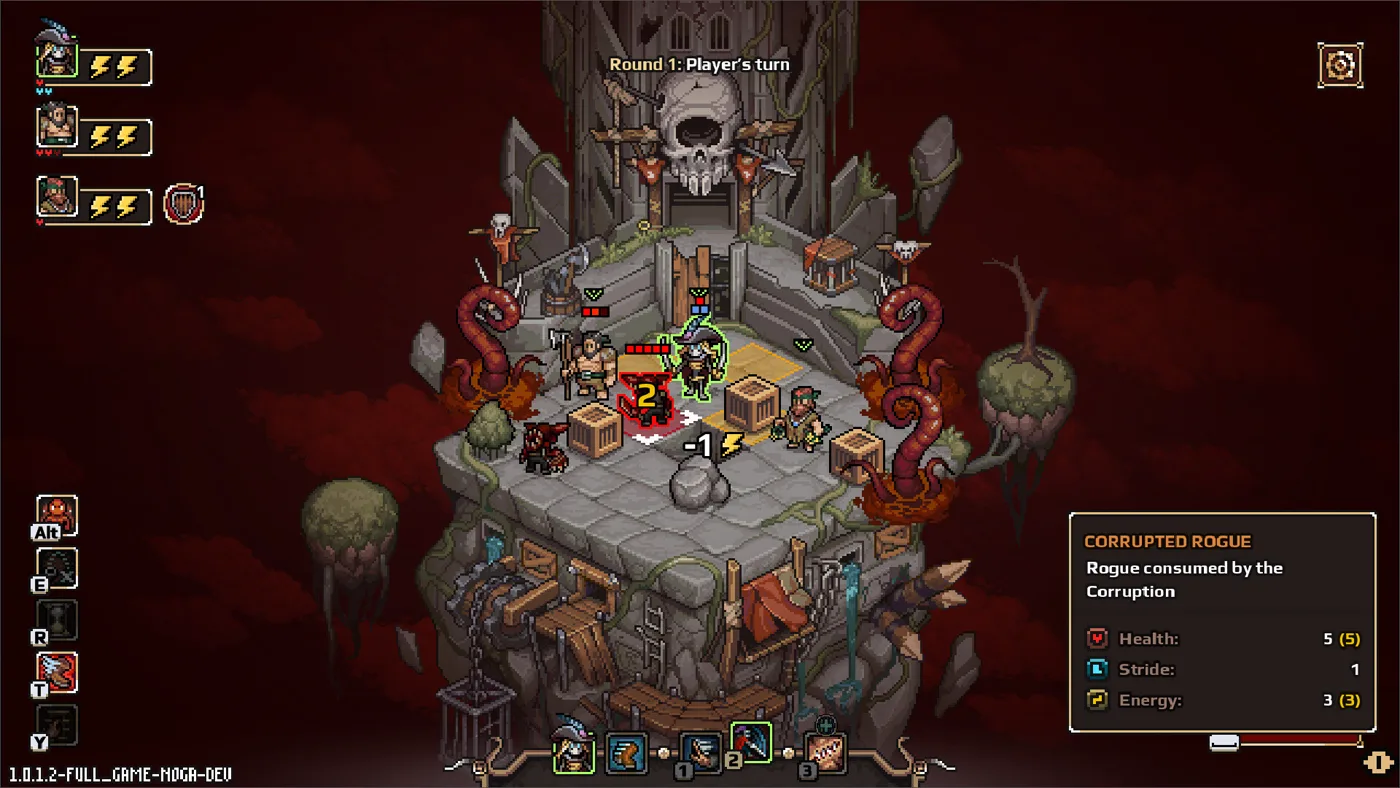
Combat in Dead Weight is a highlight, described by players as starting slow but quickly becoming challenging and rewarding. It's turn-based and takes place on "tiny battlefields" where "every step matters." This emphasizes the importance of tactical positioning and environmental awareness. One key mechanic highlighted in the trailer is the ability to push enemies into the abyss, turning the environment into a weapon.
Community reports often discuss the distinct behaviors of different enemy factions:
- Faction One: Generally straightforward, attacking after your turn.
- Faction Two: Introduces more complex units and skills, requiring careful planning. Some enemies can execute moves during your turn.
- Faction Three: This faction is frequently cited by players as a significant difficulty spike. Enemies here can execute offensive moves during their turns "without showing any indication of it," which can catch players off guard. Mastering these encounters often involves careful positioning and prioritizing dangerous targets that don't broadcast their attacks.
Players have also noted issues with visual clarity in combat, such as identifying safe tiles or visibility being blocked by environmental elements or other units. Paying close attention to enemy turn order and potential movement ranges is crucial, especially against the less predictable Phase 3 enemies.
Upgrading Your Fleet and Crew: Progression Deep Dive
Progression in Dead Weight is multifaceted, combining ship enhancements, character skill trees, and equipment management. As you explore islands and defeat enemies, you'll accumulate resources and loot.
- Ship Upgrades: Your flying pirate ship can be upgraded, though specific details on these upgrades are best discovered in-game. These likely improve its capabilities for exploration and survival.
- Hero and Crew Skills: You play as one of several heroes, unlocking more as you progress. Each hero, along with their mercenary crew members, has a skill tree. These trees allow you to accumulate experience and unlock new traits, abilities, and stat points, making subsequent runs easier and enhancing your party's potential. Some branches of the skill tree may remain locked until specific requirements are met.
- Equipment: Loot comes in various tier qualities, including weapons, armor, accessories, and consumables. These items can significantly alter your characters' capabilities, offering new skills or stat boosts. Players have found enjoyment in experimenting with combinations, such as giving a gunner a hammer to "YEET people off the isle."
- Madness Mechanic: The "Madness" system is mentioned as having "a lot of promise," although some players feel its impact isn't fully realized yet. It's a mechanic that can be reset at the Temple, affecting clouds and associated minions.
While the RPG elements like forging, skill trees, and party formation offer depth, some players have noted that the game can feel "grindy" and that meta-upgrades sometimes lack significant impact.
Overcoming Challenges: Common Pitfalls and Strategies
Many players highlight the shift in difficulty during the game's later stages, particularly in Phase 3. The "no wind-up" abilities of some enemies can make encounters feel unfair or inconsistent. Strategies to counter this include:
- Aggressive Targeting: Prioritize and eliminate these unpredictable enemies quickly.
- Positional Play: Use terrain and character abilities to keep them out of range or push them into environmental hazards.
- Resource Management: The cost of resting at the Tavern increases with each rest, making fuel and gold management increasingly important. Early planning for resources can prevent late-game struggles.
The travel mechanic, while a "fun idea," has been described as "a little too easy" once understood, with many events simply refueling your ship. Community members have suggested more varied and impactful events, perhaps with lore building, to enhance exploration. Similarly, some boss fights, particularly in Phase 2, have been described as "dull," sitting there "dying in a couple rounds." Environmental combat events, similar to those in other tactical games, have been suggested as a way to introduce more strategic depth and variety.
Community Insights and Future Outlook
The developers of Dead Weight are actively engaged with their community, frequently reviewing feedback, bug reports, and suggestions from Steam discussions and their Discord server. They've already released post-launch patches addressing combat balance, interface issues, stability, and localization.
Recent updates (like v1.0.2.3) have included fixes for specific character abilities (e.g., Berry’s Vulnerability, Aluza’s summoning damage), trap mechanics, healing effects, and push ranges. Balance changes have adjusted Tavern rest costs and enemy healer abilities, indicating an ongoing commitment to refining the gameplay experience. Player ideas and requests are explicitly stated as an "important source of inspiration" for new content.
For the latest updates and to connect with other players, visit the official Steam Community page for Dead Weight: Dead Weight on Steam.
Frequently Asked Questions
What kind of game is Dead Weight?
Dead Weight is a single-player roguelite tactical RPG set in a steampunk world. You command a flying pirate ship, explore floating islands, and engage in turn-based combat with a crew you build and upgrade.
How does combat work in Dead Weight?
Combat is turn-based and takes place on small, grid-based battlefields. Positioning is key, as you can use abilities to push enemies into environmental hazards like the abyss. Different enemy factions have unique attack patterns, with some later-game enemies not broadcasting their actions.
What are the main ways to progress in Dead Weight?
You progress by exploring islands, gathering loot, upgrading your flying ship, and investing in character skill trees for your heroes and crew. Managing resources like fuel and gold is also crucial for long-term survival in this roguelite adventure.
Are there any common challenges in Dead Weight?
Players frequently cite the difficulty spike in Phase 3 due to enemies with "no wind-up" attacks that can be hard to predict. Other common feedback includes a desire for more variety in events and boss fights, and occasional issues with visual clarity in combat.